The Best Electric Motorcycles (Specs, Range & Sizing Guide)
Electric motorcycles have rapidly transitioned from niche urban novelties into high-performance engineering marvels. Delivering instant peak torque from zero RPM, near-silent operation, regenerative braking, and zero clutch modulation, modern electric bikes eliminate the stall anxiety that plagues many new riders. However, navigating the modern electric motorcycle landscape requires looking far beyond manufacturer laboratory range estimates.
Unlike internal combustion machines where fuel weight burns off over a trip, an electric motorcycle carries its dense lithium-ion battery pack continuously. Because battery enclosures can widen the frame’s standover arch, seat height numbers on paper don’t tell the entire story.
In this comprehensive technical guide, we break down the best electric motorcycles across road, performance, commuter, and beginner categories—analyzing real-world highway range, charging speeds, curb weights, and critical standover sizing for every rider profile.
KEY TAKEAWAYS Quick Electric Motorcycle Selection Matrix
Best Overall Street Performer
Zero SR/F & SR/S
110 hp, 140 lb-ft torque, 31.0 in seat, 187-mi city range.
Best Premium & DC Fast Charge
LiveWire ONE
DC Fast 0-80% in 40 min, 30.0 in unladen seat, 100 hp.
Best for Shorter & Beginner Riders
LiveWire S2 Del Mar / Vespa
Slim standover arch, 436 lbs light chassis, upright control.
Modern Electric Motorcycle Technical Comparison
Evaluating an electric motorcycle requires balancing battery pack capacity against overall curb mass.
The matrix below benchmarks key metrics including continuous seat heights, real-world highway vs. city range, top speeds, and level charging protocols across top market contenders.
| Model | Category | Seat Height | City / Hwy Range | Top Speed | Curb Weight | Charging Protocol |
|---|---|---|---|---|---|---|
| Zero SR/F | Naked Roadster | 31.0 in (787 mm) | 187 mi / 93 mi | 124 mph | 500 lbs | Level 1 & Level 2 (J1772) |
| LiveWire ONE | Urban Cruiser | 30.0 in (762 mm) | 146 mi / 70 mi | 110 mph | 562 lbs | DC Fast (CCS) & Level 1 |
| LiveWire S2 Del Mar | Flat-Track Street | 30.9 in (785 mm) | 113 mi / 70 mi | 103 mph | 436 lbs | Level 1 & Level 2 (J1772) |
| Energica Ego+ RS | Sport Superbike | 31.9 in (810 mm) | 261 mi / 130 mi | 150 mph | 573 lbs | DC Fast (CCS) & Level 2 |
| BMW CE 04 | Futuristic Maxi | 30.7 in (780 mm) | 80 mi / 50 mi | 75 mph | 509 lbs | Level 1 & Quick Charge (6.9 kW) |
| Vespa Elettrica | Urban Runabout | 31.1 in (790 mm) | 62 mi city | 45 mph | 287 lbs | Level 1 (Wall 110V/220V) |
| Sondors Metacycle | Lightweight Commuter | 31.5 in (800 mm) | 60 mi / 35 mi | 80 mph | 300 lbs | Standard 110V Wall Charger |
Top Electric Motorcycles
Zero SR/F & SR/S (Best Overall Street Performer)
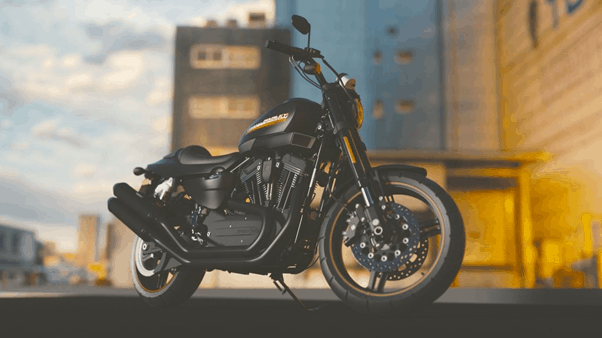
The Zero SR series (anchored by the naked SR/F and fully faired SR/S) represents the benchmark for American high-performance electric motorcycles. Powered by the proprietary Z-Force 75-10 air-cooled interior permanent magnet AC motor, the bike pumps out a blistering 110 horsepower and 140 lb-ft of instantaneous torque directly to the rear wheel via a carbon-reinforced Gates belt drive.
What sets the Zero SR apart for a wide variety of riders is its intelligent chassis packaging. The trellis frame tucks tightly around the Z-Force 17.3 kWh lithium-ion power pack, maintaining a reasonable 31.0-inch seat height. Because the midsection lacks the bulky engine casing found on traditional liter-class bikes, riders with a 30-inch inseam can comfortably reach the pavement with the balls of both feet. With integrated 6 kW Level 2 rapid charging, an empty battery hits 95% capacity in roughly 1.1 hours.
Harley-Davidson LiveWire ONE (Best Premium Cruiser & DC Fast Charge)
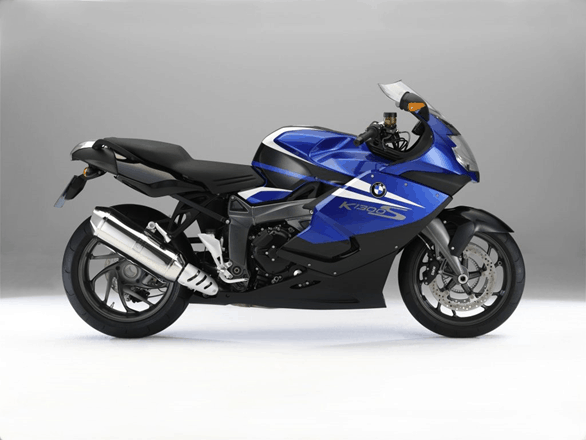
Originally incubated by Harley-Davidson and now operating under the standalone LiveWire banner, the LiveWire ONE is one of the most mechanically refined electric machines on the road. Its liquid-cooled “Revelation” permanent magnet motor is positioned beneath the battery pack, establishing an exceptionally low center of gravity that masks its 562-pound curb weight once rolling.
Crucially for shorter riders and those seeking confident stop-and-go footing, the LiveWire ONE features an unladen seat height of 30.0 inches, which drops to roughly 28.0 inches under rider sag. Furthermore, it is one of the very few production electric motorcycles equipped with native Level 3 DC Fast Charging (CCS Combo). Plugged into a standard automotive public fast charger, the LiveWire ONE replenishes 0% to 80% battery range in just 40 minutes.
Energica Ego+ RS (Best High-Performance Electric Superbike)
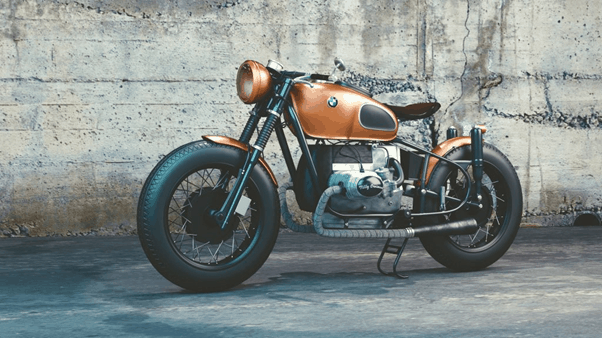
Hailing from Italy’s Motor Valley, the Energica Ego+ RS is the civilian manifestation of MotoE racing pedigree. Producing 171 horsepower and an astonishing 159 lb-ft of torque, the Ego launches from 0 to 60 mph in 2.6 seconds on its way to an electronically governed 150 mph ceiling. Its massive 21.5 kWh gross battery pack yields a class-leading 261 miles of urban range and over 130 miles at sustained highway speeds.
However, the Ego demands physical commitment. Tipping the scales at 573 pounds with an aggressive supersport clip-on riding posture and a 31.9-inch saddle, it requires deliberate rider input during low-speed parking lot maneuvers. For experienced sport riders seeking supercar-slaying acceleration with standard CCS DC fast charging, the Ego remains virtually peerless.
LiveWire S2 Del Mar (Best Flat-Track Style for Shorter & Intermediate Riders)
Built upon LiveWire’s cutting-edge modular ARROW architecture, the S2 Del Mar eliminates the traditional motorcycle frame entirely. Instead, the structural battery casing serves as the central monocoque chassis to which the steering head, swingarm, and motor mount directly. This clean engineering shaves over 126 pounds off the LiveWire ONE, resulting in an agile 436-pound curb mass.
The Del Mar’s flat-track aesthetic features wide dirt-track style handlebars and a 30.9-inch bench seat that tapers aggressively toward the steering stem. This slim waistline gives riders with a 29- to 30-inch inseam an easy straight-leg drop to the asphalt at red lights. Delivering 84 hp and 194 lb-ft of motor torque, the Del Mar reaches 60 mph in 3.0 seconds, making it one of the most accessible yet exhilarating urban street-fighters available.
Vespa Elettrica (Best Accessible Low-Standover City Commuter)
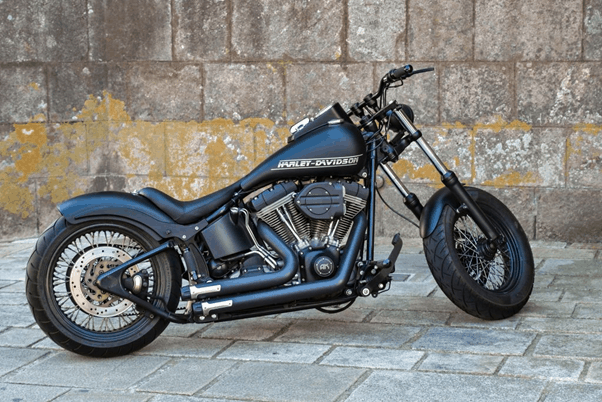
For dense metro commuting where ease of use trumps top-end velocity, the Piaggio Vespa Elettrica provides an iconic, zero-tailpipe-emission transportation platform. Wrapped in a pressed-steel monocoque body, the Elettrica produces 4 kW of continuous output with a top speed calibrated for either 30 mph (moped class) or 45 mph (motorcycle class).
Weighing only 287 pounds, the Vespa is virtually weightless compared to heavyweight electric cruisers. Charging is remarkably convenient: a coiled power cord stows directly underneath the saddle, allowing you to plug straight into standard 110V/220V household wall outlets without carrying an external charging brick. The step-through floorboard architecture eliminates the awkward leg-swing required on high-tail sport machines, making it universally friendly for shorter and beginner riders.
BMW CE 04 & Futuristic Urban Commuters
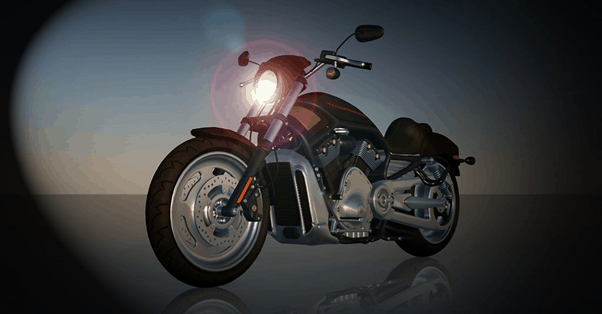
The BMW CE 04 looks like a functional sci-fi prop because BMW deliberately engineered it from a clean slate for metropolitan transit. Borrowing automotive lithium-ion cell technology directly from the BMW iX electric SUV, the CE 04 houses an 8.9 kWh battery flat along its elongated undercarriage, yielding a very low center of gravity.
With an accessible 30.7-inch floating bench seat and an extended 66-inch wheelbase, the CE 04 offers remarkable straight-line stability and wind deflection. Delivering 42 hp, 45 lb-ft of torque, and an electronically limited 75 mph top speed, it easily handles suburban highway connectors while providing 80 miles of realistic stop-and-go metro range.
Electric Motorcycle Sizing, Seat Height & Inseam Sizing Guide
One of the most frequent surprises for riders transitioning from small-displacement gas machines—such as lightweight 250cc entry-level motorcycles—is the perceived width of an electric bike. While electric motorcycles lack wide cooling fins or hot exhaust heat shields, their rectangular battery cells require rigid aluminum safety enclosures that sit directly between the rider’s thighs.
Because leg stance angle is dictated by saddle width, a wide 31-inch seat can feel substantially taller than a narrow 33-inch dirt bike saddle. The matrix below outlines realistic footing confidence based on rider inseam measurements across different electric motorcycle chassis styles.
| Rider Inseam | Ideal Seat Height Range | Footing Confidence | Recommended Electric Chassis |
|---|---|---|---|
| 26" – 28" | 27.0" – 29.5" | Balls of feet / One-foot flat | LiveWire ONE (laden sag), Vespa Elettrica, CSC City Slicker |
| 29" – 30" | 29.5" – 31.0" | Solid balls of feet / Both heels slight lift | LiveWire S2 Del Mar, Zero FXE, BMW CE 04 |
| 31" – 32" | 31.0" – 32.5" | Full flat-foot reach | Zero SR/F, Zero DSR/X, Energica Eva Ribelle |
| 33"+ | 32.5" – 35.0" | Full flat-foot with relaxed knee bend | Energica Experia (ADV), Zero FX Dual Sport, Stark VARG |
Real-World Battery Range, Charging Levels & Maintenance
Understanding charging architecture is the single most critical factor in electric motorcycle ownership satisfaction. Unlike electric passenger cars with massive 60 kWh to 100 kWh battery banks, motorcycles operate with 4 kWh to 22 kWh packs due to physical weight limits. Consequently, charging speeds fall into three distinct tiers:
Level 1 Charging (110V/120V AC Household Wall Plug)
Replenishes approximately 1.0 to 1.4 kW per hour. A typical 14 kWh battery pack requires 9 to 11 hours to reach full charge, making it ideal for standard overnight home garage charging. Read our deep-dive analysis on how long motorcycle battery charging takes across different amperages.
Level 2 Charging (208V/240V AC J1772)
Draws 3.3 kW to 6.6 kW depending on onboard charger capacity. A full charge drops to 1.5 to 2.5 hours, allowing convenient top-ups at public destination chargers, hotels, and shopping center stations.
Level 3 DC Fast Charging (CCS Combo)
Feeds high-voltage direct current directly to the battery pack, bypassing the onboard AC converter. Available on models like the LiveWire ONE and Energica line, it delivers a 20% to 80% recharge in just 30 to 40 minutes.
Crucially, high-voltage traction batteries also rely on a separate 12-volt auxiliary circuit to power the main contactor relays, digital TFT instrument cluster, and lighting systems. If the auxiliary system voltage drops below threshold, the entire motorcycle will fail to initialize. Understanding how to test parasitic current and diagnose 12V battery drain issues is essential preventive knowledge for every electric motorcyclist.
Essential Electric Motorcycle Maintenance & Navigation Gear
While electric powertrains eliminate oil filters, clutch plates, spark plugs, and valve adjustments, supporting your high-voltage investment requires specialized electrical diagnostics and charging management tools.
AstroAI Digital Multimeter
Precision automotive digital multimeter. Tests 12V auxiliary system health, continuity, parasitic draw, and charging port signal integrity with high-accuracy safety overload protection.
Battery Tender Junior 12V Charger
Fully automatic 4-step microprocessor-controlled maintainer. Keeps your electric motorcycle’s 12V computer and relay battery topped off during extended winter storage without overcharging.
Vibration-Dampened Phone Mount
Heavy-duty handlebar mount with silicone elastomer vibration isolation. Essential for monitoring real-time EV charging networks (PlugShare, ChargePoint) and battery range telemetry on the go.
Frequently Asked Questions
How long do electric motorcycle batteries last before needing replacement?
Modern automotive-grade lithium-ion battery packs found in Zero, LiveWire, and Energica motorcycles are engineered for 1,500 to 2,500 full charge cycles. In practical terms, this equates to 150,000 to 250,000 miles before the pack degrades to 80% of its original capacity. For the vast majority of riders, the battery pack will outlive the mechanical chassis of the motorcycle.
Can you charge an electric motorcycle at standard Tesla Superchargers?
Currently, only electric motorcycles equipped with native Level 3 DC Fast Charging (CCS Combo) can utilize public automotive DC fast chargers. They can charge at ‘Magic Dock’ enabled Tesla Superchargers with integrated CCS adapters, but cannot plug directly into proprietary Tesla NACS plugs without an approved protocol handshake adapter.
Is an electric motorcycle suitable for beginner or shorter riders?
Yes, electric motorcycles are exceptionally beginner-friendly because they eliminate manual clutch levers, stalling, and foot-shifter coordination. Shorter riders benefit greatly from models like the LiveWire ONE (28.0 inch laden seat height), LiveWire S2 Del Mar, and lightweight commuters like the Vespa Elettrica due to their slim standover midsections.
What routine maintenance does an electric motorcycle require?
Electric motorcycles require substantially less maintenance than gas bikes. There are no engine oil changes, spark plugs, air filters, coolant flushes (on air-cooled models), or valve adjustments. Routine service is limited to checking tire pressure, brake pads and DOT 4 fluid, drive belt tension/wear, steering head bearings, and auxiliary 12V battery health.